
AC Maintenance Schedule Every Texas Homeowner Needs
When your air conditioner gives out on a 103-degree afternoon, the problem almost always traces back to something that could have been prevented months earlier. At Texas Air Tech, we have spent years helping homeowners navigate exactly this situation, and what we consistently find is not that their systems were old or beyond help, it is that routine maintenance had quietly fallen off the radar. A well-planned AC maintenance schedule is one of the most valuable, and most overlooked, investments a homeowner can make.
Most people think about their AC in one of two moments: when it stops working, or when the electric bill arrives and makes them wince. The reality is that your air conditioning system is working hard year-round, accumulating dust, wear, and inefficiencies that compound over time. According to the U.S. Department of Energy, a neglected HVAC system can lose up to 5% of its operating efficiency every year. Over a decade, that adds up to a noticeably shorter system lifespan and significantly higher energy costs.
So what does the right maintenance schedule actually look like? That depends on your system, your home, and your habits, but there are evidence-based benchmarks that every homeowner can follow to stay ahead of costly breakdowns.
Why Timing Matters More Than Most Homeowners Realize
The most common mistake in AC maintenance is treating it as a once-a-year checkbox rather than a rhythm of small, consistent actions. Spring is the traditional sweet spot for a professional tune-up, ideally before temperatures climb and demand on your system increases. Scheduling a full inspection in March or April gives a technician time to identify worn components, low refrigerant levels, and electrical issues before they become emergencies in June.
But spring is only one piece of the picture. Fall maintenance matters too, especially if you have a heat pump that handles both cooling and heating. A pre-winter inspection ensures your system transitions smoothly and does not leave you scrambling when the first cold snap arrives.
What a Professional Tune-Up Should Actually Include
Not all maintenance visits are created equal, and understanding what a thorough inspection covers helps you ask the right questions and recognize genuine value. A comprehensive professional tune-up should include cleaning the evaporator and condenser coils, checking refrigerant levels and inspecting for leaks, testing capacitors and contactors, lubricating moving parts, inspecting and tightening electrical connections, measuring airflow, and evaluating thermostat calibration.
Coil cleaning alone can improve efficiency by 10 to 15 percent according to ASHRAE research, which translates directly to lower monthly bills. Electrical connection inspections are equally critical since loose wiring is one of the leading causes of compressor failure, and compressor replacement is one of the most expensive repairs in HVAC service.
The Monthly Habits That Protect Your Investment
Professional service handles the deep work, but homeowners play an essential role between visits. Changing your air filter on a consistent schedule is the single highest-impact habit you can build. Most standard 1-inch filters need replacing every 30 to 60 days depending on household factors like pets, dust levels, and how often the system runs. A clogged filter forces your blower to work harder, restricts airflow across the evaporator coil, and can eventually cause the coil to freeze over entirely.
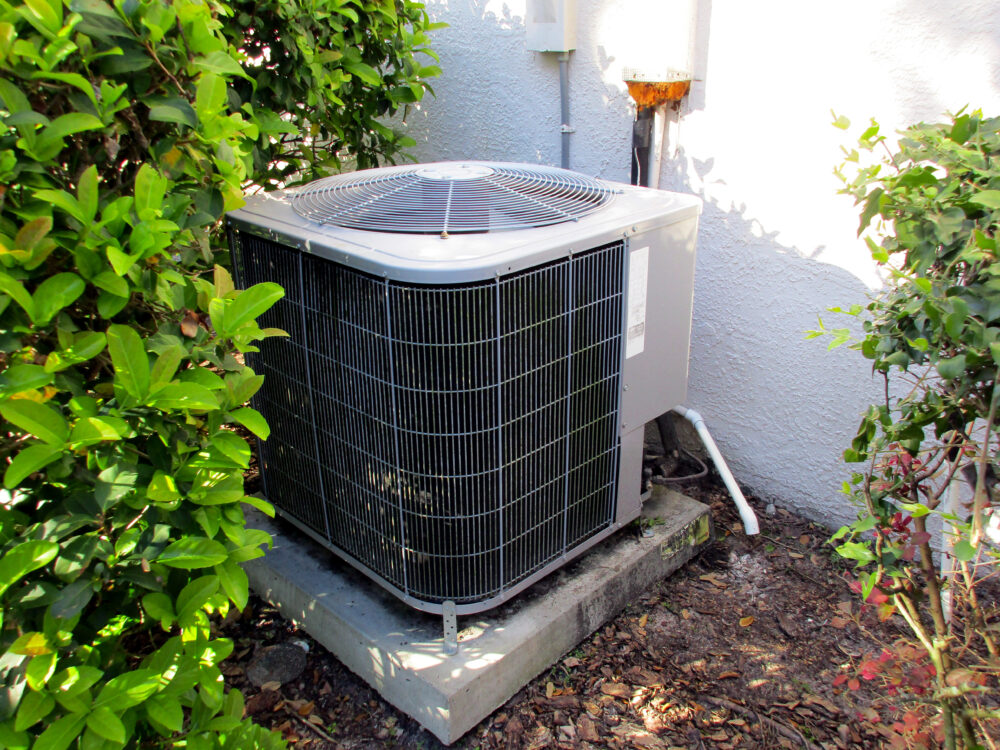
Beyond filter changes, take a few minutes each month to visually inspect your outdoor condenser unit. Clear away any leaves, grass clippings, or debris that have collected around the base, and make sure there is at least two feet of clearance on all sides. Restricted airflow around the condenser is a quiet efficiency killer that is completely preventable.
Matching Your Schedule to Your System’s Age and Usage
A newer system under five years old with a clean history may only need one professional visit per year paired with diligent filter changes. A system between seven and twelve years old benefits from twice-yearly professional attention, particularly if it has had any repair history or runs more than eight months out of the year. Systems older than twelve years warrant closer monitoring, and a good technician will be honest with you about when maintenance is protecting a viable investment versus delaying an inevitable replacement.
If your home has a zoning system, ductless mini-splits, or supplemental units, each requires its own maintenance rhythm. Ductless systems in particular need filter cleaning every two to four weeks during heavy use, a detail that often surprises first-time owners.
Building a Schedule That Actually Sticks
The most effective maintenance plan is one you will actually follow. Set a calendar reminder in early March for your spring professional service, and pair your filter change schedule with a recurring monthly event that already exists in your life, whether that is the first of the month, the day bills are due, or a weekend routine. Small, consistent actions compound into meaningful protection over the life of your system.
Texas Air Tech is here to be your partner in that process. Whether you are establishing a maintenance routine for the first time or trying to extend the life of a system that has seen some wear, our team brings the expertise, transparency, and care that your home deserves. Reach out today to schedule your next tune-up and take the guesswork out of keeping your home comfortable.