
AC & Heater Repair Warning Signs in Wylie, TX
What Are the Warning Signs Your AC or Heater Needs Professional Repair in Wylie, TX?
Your AC or heater likely needs professional repair if it cannot maintain the thermostat setting, blows weak or incorrect-temperature air, cycles on and off frequently, makes unusual noises, produces strange odors, leaks water, or causes an unexplained rise in energy use. In Wylie, TX, addressing these HVAC warning signs early can help prevent breakdowns, higher utility costs, and more extensive repairs.
Texas Air Tech helps Wylie homeowners recognize heating and cooling problems before a minor issue becomes a major inconvenience. Our team understands how much local families depend on reliable HVAC equipment, especially during North Texas temperature extremes. We focus on careful diagnosis, straightforward recommendations, and repairs designed to restore dependable comfort rather than simply treating the most obvious symptom. Whether an air conditioner is struggling through a hot Texas afternoon or a heater is acting up during a winter cold snap, Texas Air Tech provides professional HVAC service with customer care at the center of the experience.
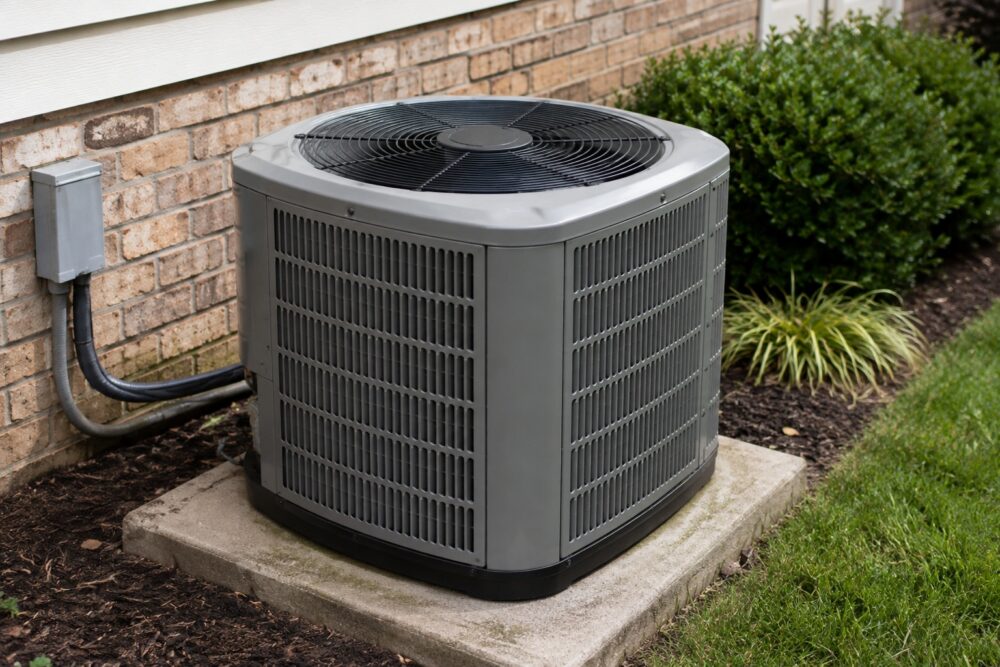
Common HVAC Problems That Mean It Is Time to Call a Professional
Some HVAC symptoms can be caused by something simple, such as a dirty filter or incorrect thermostat setting. Others indicate electrical, mechanical, airflow, refrigerant, or combustion problems that should be evaluated by a trained HVAC technician.
Knowing the difference can help you respond before your system stops working completely.
Why Is My AC or Heater Running but Not Keeping the House Comfortable?
If your HVAC system runs for long periods but your home never reaches the thermostat setting, the system needs attention. A properly operating system should be able to maintain reasonable indoor comfort when it is correctly sized and outdoor conditions are within its design range.
Possible causes include:
- A clogged air filter
- Dirty evaporator or condenser coils
- Low refrigerant or a refrigerant leak
- Blower motor problems
- Ductwork leaks or restrictions
- Thermostat problems
- Aging or failing components
In Wylie, cooling performance deserves particular attention during summer. National Weather Service Dallas/Fort Worth climate normals show normal high temperatures of about 96°F in July and August. The region also averages about 20 days per year at or above 100°F. That kind of heat places significant demand on residential air conditioning equipment.
If your AC used to keep up but suddenly struggles under similar conditions, do not assume the Texas heat is the only explanation. A noticeable change in performance can be an early sign that the system needs professional AC repair.
Are Strange HVAC Noises a Sign Something Is Wrong?
New, loud, or persistent noises from an AC, furnace, or heat pump should not be ignored. HVAC systems make normal operational sounds, but banging, grinding, squealing, rattling, buzzing, or repeated clicking can indicate a developing problem.
Different sounds can point technicians toward different components. For example:
- Grinding or squealing may indicate motor, bearing, or belt problems.
- Banging or clanking can suggest a loose or damaged mechanical component.
- Buzzing may be related to an electrical issue or failing component.
- Rattling can come from loose panels, debris, or internal parts.
- Repeated clicking without a normal startup can indicate an ignition, thermostat, control, or electrical problem.
Turning up the television to cover an HVAC noise will not make the underlying problem disappear. If the sound is new or getting worse, scheduling an inspection can help identify the cause before additional components are affected.
Why Does My AC or Heater Keep Turning On and Off?
Frequent starting and stopping, commonly called short cycling, is a warning sign when it happens repeatedly. Short cycling can reduce comfort and put unnecessary stress on HVAC components.
Potential causes range from restricted airflow and thermostat issues to electrical problems, overheating, frozen coils, or improperly sized equipment.
Start by checking whether your air filter is dirty and whether your thermostat is set correctly. ENERGY STAR recommends inspecting, cleaning, or replacing HVAC filters monthly because dirty filters force heating and cooling equipment to work harder and can contribute to equipment damage and premature failure.
If a clean filter and correct thermostat setting do not solve the problem, have a professional diagnose the system rather than repeatedly resetting it.
Should I Worry About HVAC Odors, Leaks, or Weak Airflow?
Persistent odors, visible leaks, or a sudden reduction in airflow warrant further investigation. These symptoms can indicate anything from a drainage problem to dirty equipment, blower trouble, electrical overheating, or problems with fuel-burning heating equipment.
Watch for:
- Water pooling around an indoor HVAC unit
- Ice forming on refrigerant lines or cooling components
- Airflow that is much weaker than normal
- Some rooms receiving substantially less conditioned air
- Persistent musty odors
- Burning or electrical smells
- Unusual odors when the furnace operates
ENERGY STAR notes that a plugged condensate drain can cause water damage and affect indoor humidity. It also reports that airflow problems can reduce HVAC system efficiency by up to 15 percent.
With a fuel-burning furnace, safety deserves additional attention. The U.S. Environmental Protection Agency identifies leaking furnaces and poorly maintained combustion equipment as potential sources of carbon monoxide, an odorless and colorless toxic gas. If a carbon monoxide alarm activates or occupants experience possible CO symptoms such as headache, dizziness, nausea, weakness, or confusion, get to fresh air immediately and seek appropriate emergency assistance. Do not wait for a routine HVAC appointment.
Does a Higher Energy Bill Mean My HVAC System Needs Repair?
An unexplained increase in heating or cooling energy use can be a sign that your HVAC equipment is working harder than it should. Energy bills vary with weather, thermostat settings, utility rates, and household habits, so one high bill does not automatically mean the equipment is failing.
Look for a pattern. If energy use rises while comfort declines, runtime increases, or airflow weakens, an HVAC inspection can help determine whether the system is losing efficiency.
Maintenance matters here. According to the U.S. Department of Energy, replacing or cleaning an air conditioner’s filters routinely can lower its energy consumption by approximately 5 to 15 percent. ENERGY STAR also identifies dirt and neglect as leading causes of heating and cooling system failure and inefficiency.
For Wylie homeowners, catching efficiency problems before peak summer demand can make a meaningful difference in both comfort and system workload.
When Should You Schedule HVAC Repair Instead of Waiting?
Call for professional HVAC repair when a performance problem persists after basic homeowner checks, becomes progressively worse, or involves electrical, refrigerant, mechanical, or combustion components.
Before calling, homeowners can safely check a few basics:
- Confirm the thermostat is set to the correct mode and temperature.
- Inspect the air filter and replace it if necessary.
- Make sure supply and return vents are not blocked.
- Check whether the HVAC circuit breaker has tripped once. Do not repeatedly reset a breaker that continues to trip.
- Look around the equipment for obvious water, ice, unusual smells, or abnormal noises.
Avoid opening electrical compartments, handling refrigerant lines, bypassing safety controls, or attempting furnace combustion repairs yourself. These issues require appropriate training and equipment.
Preventive maintenance can also reduce surprises. ENERGY STAR recommends annual pre-season professional checkups, ideally cooling-system service in spring and heating-system service in fall. In a climate like Wylie’s, where equipment can face intense cooling demand followed by occasional winter freezes, seasonal inspections provide an opportunity to find worn or failing components before they cause a no-cooling or no-heat situation.
Frequently Asked Questions About AC and Heater Repair in Wylie, TX
How do I know if my AC needs repair or just a new filter?
Replace a visibly dirty filter first. If weak airflow, poor cooling, short cycling, unusual noises, or long runtimes continue after the filter is changed, schedule professional AC service to identify the underlying problem.
Is it normal for an AC to run constantly when it is very hot in Texas?
An AC may run longer during extreme heat, especially when outdoor temperatures approach or exceed its design conditions. However, if the system runs continuously and cannot maintain a reasonable indoor temperature, or its performance has recently declined, it should be inspected.
What HVAC problems require immediate attention?
Electrical burning smells, repeated breaker trips, severe mechanical noises, major water leaks, loss of heating during dangerous cold, and suspected combustion or carbon monoxide problems require prompt attention. If a carbon monoxide alarm sounds, prioritize getting occupants to fresh air and following emergency safety guidance.
Can regular HVAC maintenance prevent repairs?
Maintenance cannot prevent every component failure, but it can identify developing problems and help equipment operate more efficiently. ENERGY STAR recommends annual pre-season HVAC checkups and regular filter inspection to reduce future problems and unwanted costs.
Ready for Reliable AC or Heater Repair in Wylie, TX?
Do not wait for a small warning sign to turn into a complete HVAC breakdown. If your air conditioner, furnace, or heat pump is struggling to keep your Wylie home comfortable, contact Texas Air Tech to schedule professional HVAC service and get clear answers about what your system needs.