
What Are the Signs You Need an HVAC Tune-Up?
Your HVAC system likely needs a tune-up if you notice rising energy bills, uneven temperatures, weak airflow, unusual noises or odors, frequent cycling, or longer heating and cooling times. Even without obvious problems, homeowners in Wylie, TX should schedule routine HVAC maintenance at least once a year to help maintain efficiency, comfort, and reliability.
At Texas Air Tech, we understand how much Wylie homeowners depend on reliable heating and cooling throughout the year. North Texas weather can put HVAC equipment through demanding conditions, from long stretches of summer heat to sudden winter cold. Our team focuses on thorough service, straightforward recommendations, and solutions designed to keep your system performing properly. Instead of waiting for a breakdown to disrupt your comfort, scheduling an HVAC tune-up gives a trained technician an opportunity to identify wear, airflow problems, electrical concerns, and other developing issues early. Preventive maintenance can help protect your equipment while giving you greater confidence when temperatures become extreme.
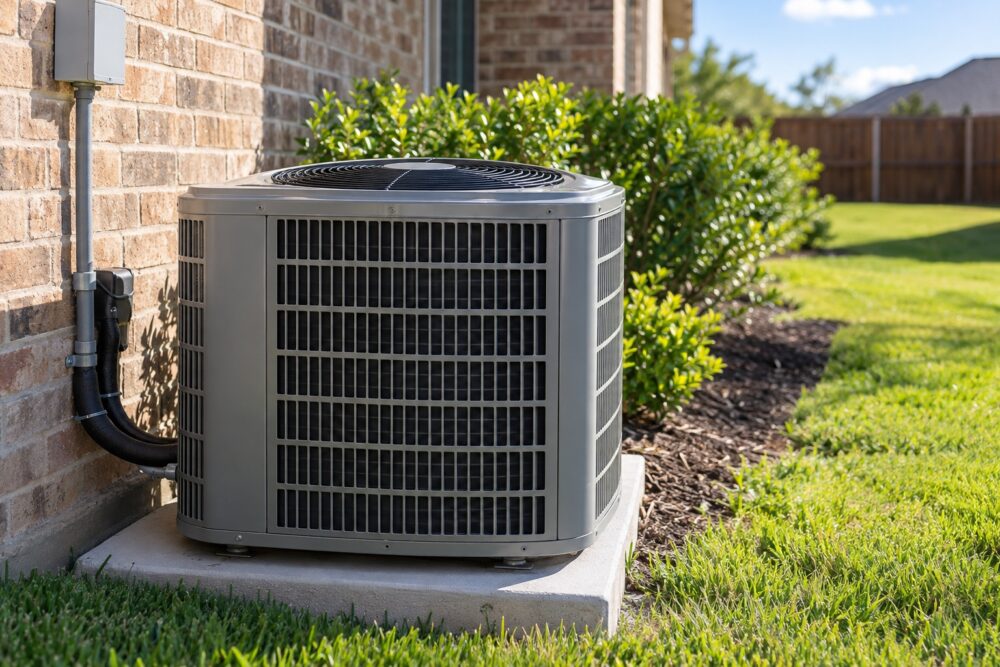
HVAC Maintenance Warning Signs Wylie Homeowners Should Know
You do not have to wait until your air conditioner or heater stops working to schedule service. Changes in comfort, performance, sound, and energy use can provide early clues that your system needs professional attention.
ENERGY STAR recommends annual pre-season HVAC checkups, ideally servicing cooling equipment before summer and heating equipment before winter. ENERGY STAR also identifies dirt and neglect as leading causes of HVAC inefficiency and failure.
Why Are My Heating and Cooling Bills Suddenly Higher?
A noticeable increase in energy use without a corresponding change in weather or household habits can indicate declining HVAC efficiency.
Dirty components, restricted airflow, incorrect thermostat operation, or equipment that is running longer than necessary can all contribute to higher energy consumption. ENERGY STAR notes that dirty filters slow airflow and make HVAC equipment work harder. It recommends checking filters monthly during periods of heavy heating or cooling use.
Compare recent utility bills with the same months from previous years. If energy consumption is steadily increasing while your comfort is getting worse, an HVAC tune-up can help determine whether system performance is contributing to the change.
Why Are Some Rooms Hotter or Colder Than Others?
Uneven temperatures can be a sign that your HVAC system is not distributing conditioned air properly.
You might notice that an upstairs bedroom stays warm while the living room feels comfortable, or one side of your home takes significantly longer to cool. Possible causes include:
- Dirty or clogged air filters
- Restricted or closed vents
- Blower performance problems
- Dirty HVAC components
- Ductwork issues
- Improper thermostat operation
ENERGY STAR specifically lists rooms that are too hot or too cold as a sign that HVAC equipment, ductwork, or insulation may need professional evaluation.
A tune-up allows a technician to inspect system operation and airflow rather than simply lowering the thermostat and making the equipment work harder.
Is Weak Airflow a Sign My HVAC System Needs Maintenance?
Yes. Weak airflow from your vents is a good reason to inspect the HVAC system, especially when the problem affects multiple rooms.
Restricted airflow makes it harder for your system to move conditioned air throughout your home. During professional maintenance, a technician can check the filter, blower components, coils, and other areas that influence airflow.
According to ENERGY STAR’s maintenance checklist, airflow problems can reduce HVAC system efficiency by as much as 15 percent. The organization recommends cleaning and adjusting blower components as part of cooling-system maintenance.
If replacing a dirty filter does not restore normal airflow, scheduling professional service is the safer next step.
What Do Strange HVAC Noises or Odors Mean?
New or worsening noises and odors should not be ignored because they can signal mechanical, electrical, airflow, or moisture-related problems.
Rattling can indicate a loose component, while squealing or grinding may point to a moving part that needs attention. Musty smells can indicate excess moisture or buildup somewhere in the HVAC system.
A professional tune-up includes more than a visual inspection. ENERGY STAR recommends checking electrical connections, system controls, moving parts, condensate drainage, coils, refrigerant levels, and blower components as applicable to the equipment.
If you notice a burning smell, persistent electrical odor, or another strong unusual smell, shut the system down and contact an HVAC professional rather than waiting for routine maintenance.
Why Does My HVAC System Keep Turning On and Off?
Frequent starting and stopping, commonly called short cycling, can indicate that your system is struggling to complete a normal heating or cooling cycle.
Possible causes range from restricted airflow and thermostat problems to equipment or system-sizing issues. Short cycling can increase wear because the equipment repeatedly starts without completing normal cycles.
Pay attention to how your system behaves on a typical day. If it suddenly runs much longer than usual, starts and stops repeatedly, or struggles to reach the thermostat setting, it is worth having the system inspected.
Why HVAC Tune-Ups Matter in Wylie, TX
Wylie’s North Texas location makes dependable cooling particularly important. National Weather Service climate normals for the Dallas-Fort Worth area show normal high temperatures of 95.6°F in July and 95.8°F in August.
Those temperatures can mean long run times for residential air conditioners. Scheduling maintenance before peak cooling season can help identify developing problems before the equipment is asked to operate under sustained summer demand.
Routine maintenance matters during the heating season, too. ENERGY STAR recommends pre-season checkups for both cooling and heating systems.
For Wylie homeowners, a practical schedule is to have cooling equipment checked in spring and heating performance checked before colder weather arrives.
HVAC Tune-Up FAQs
How often should I schedule an HVAC tune-up?
ENERGY STAR recommends annual pre-season HVAC checkups. Cooling equipment is ideally checked in spring, while heating equipment should be inspected before winter.
What does an HVAC tune-up include?
Depending on your system, maintenance may include checking thermostat settings, electrical connections, controls, condensate drainage, coils, refrigerant levels, blower components, and heating-system safety components. The exact service depends on the type and condition of your equipment.
Should I schedule a tune-up if my HVAC system seems fine?
Yes. Preventive maintenance is intended to find developing problems before they become noticeable failures. ENERGY STAR recommends yearly HVAC tune-ups to support efficiency and comfort, even when equipment appears to be operating normally.
Can an HVAC tune-up prevent every breakdown?
No maintenance service can guarantee that an HVAC system will never break down. Regular inspections can, however, uncover worn or malfunctioning components early and reduce the likelihood that preventable maintenance issues turn into larger problems.
Ready to Schedule an HVAC Tune-Up in Wylie, TX?
Do not wait for weak airflow, uneven temperatures, rising utility bills, or a mid-summer breakdown to get your attention. Texas Air Tech can inspect your HVAC system, identify potential concerns, and help keep your home comfortable through Wylie’s changing seasons. Ready for an HVAC tune-up? Contact Texas Air Tech today.